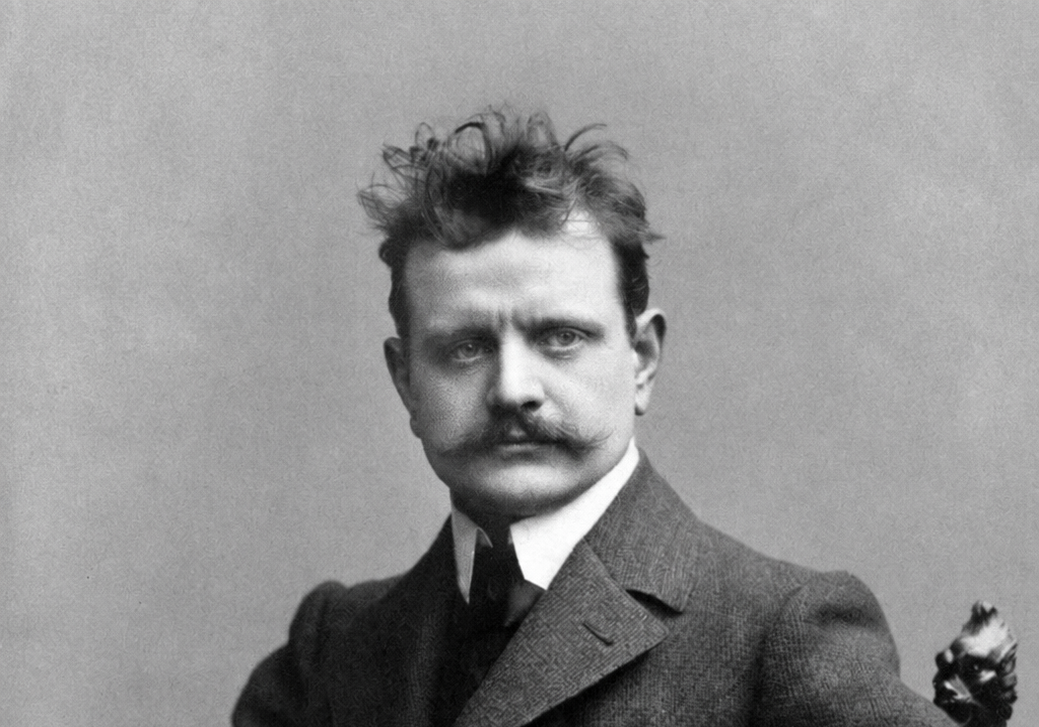
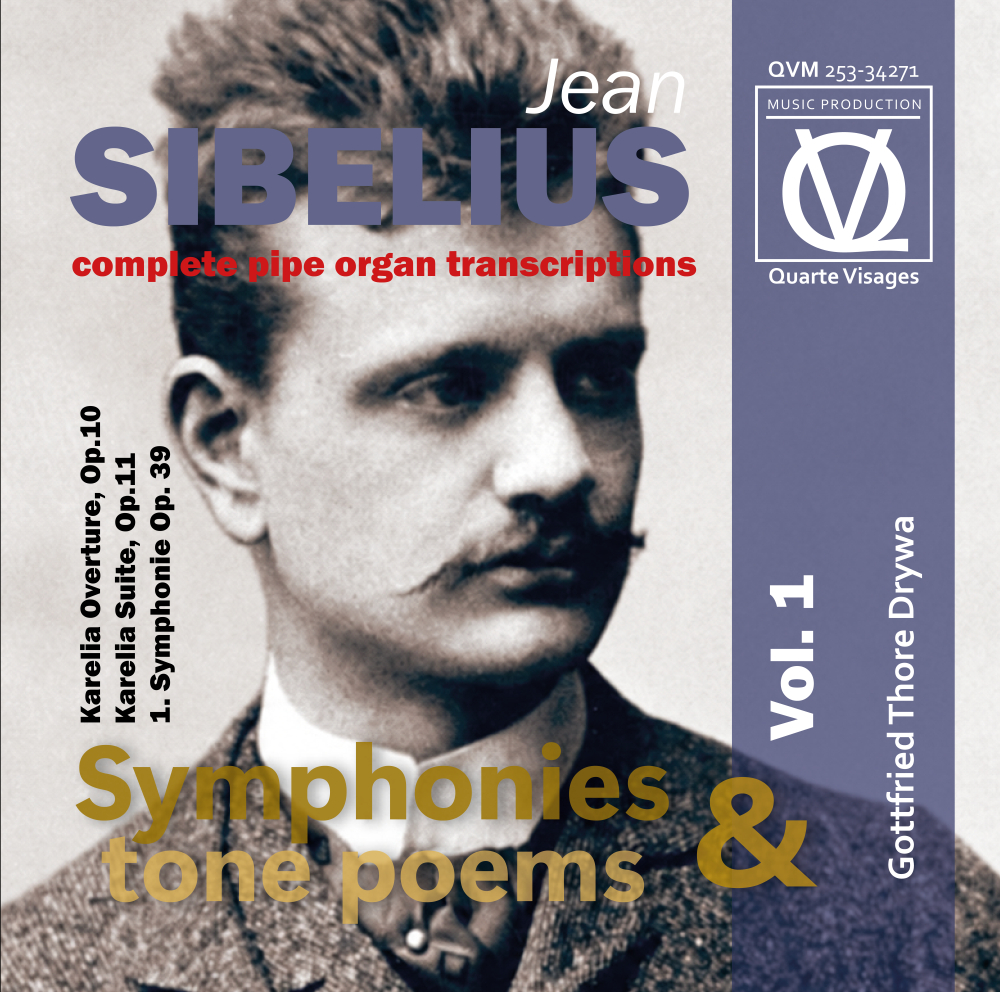
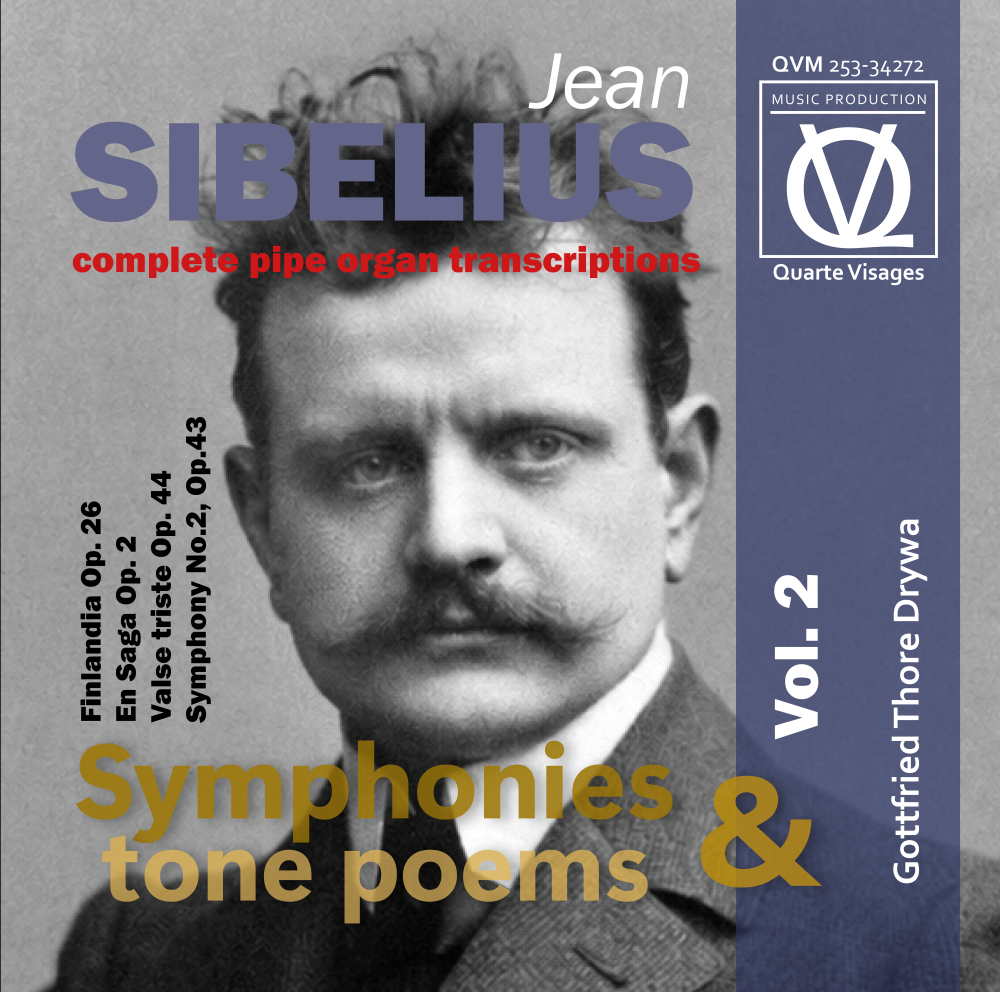
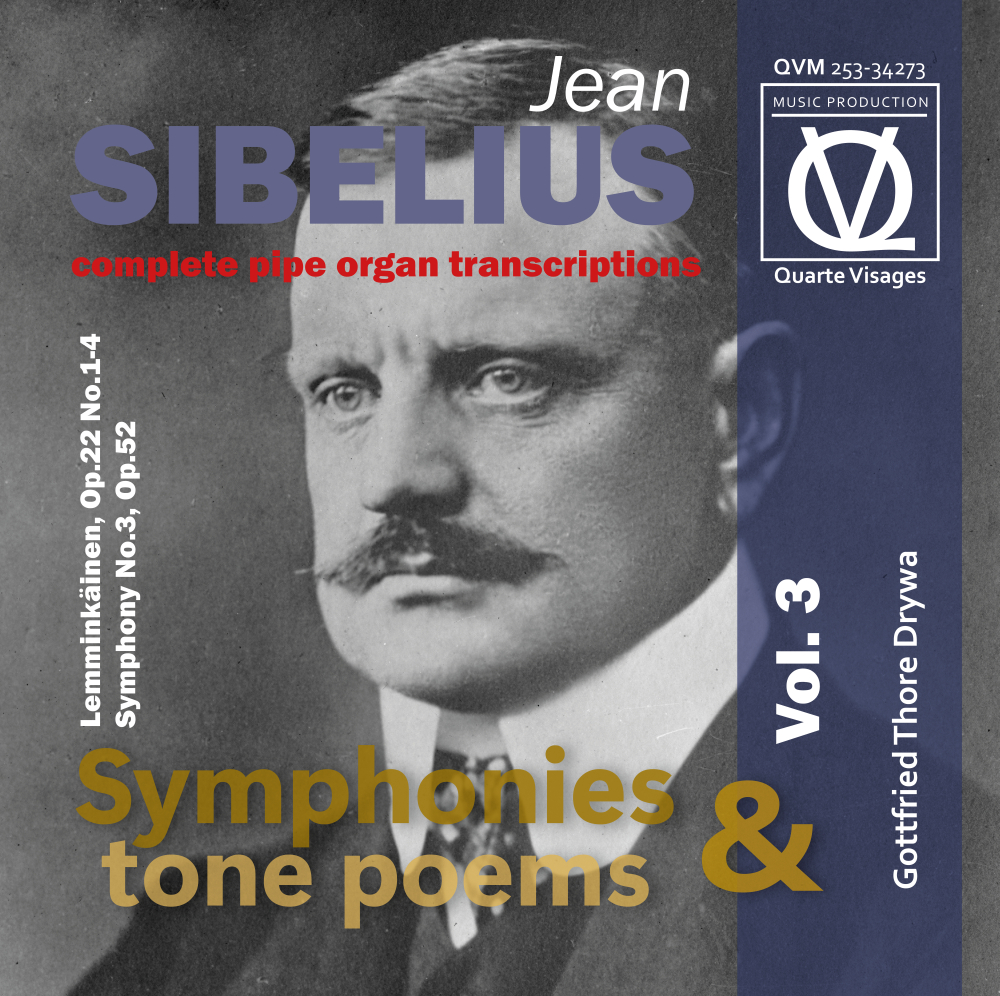
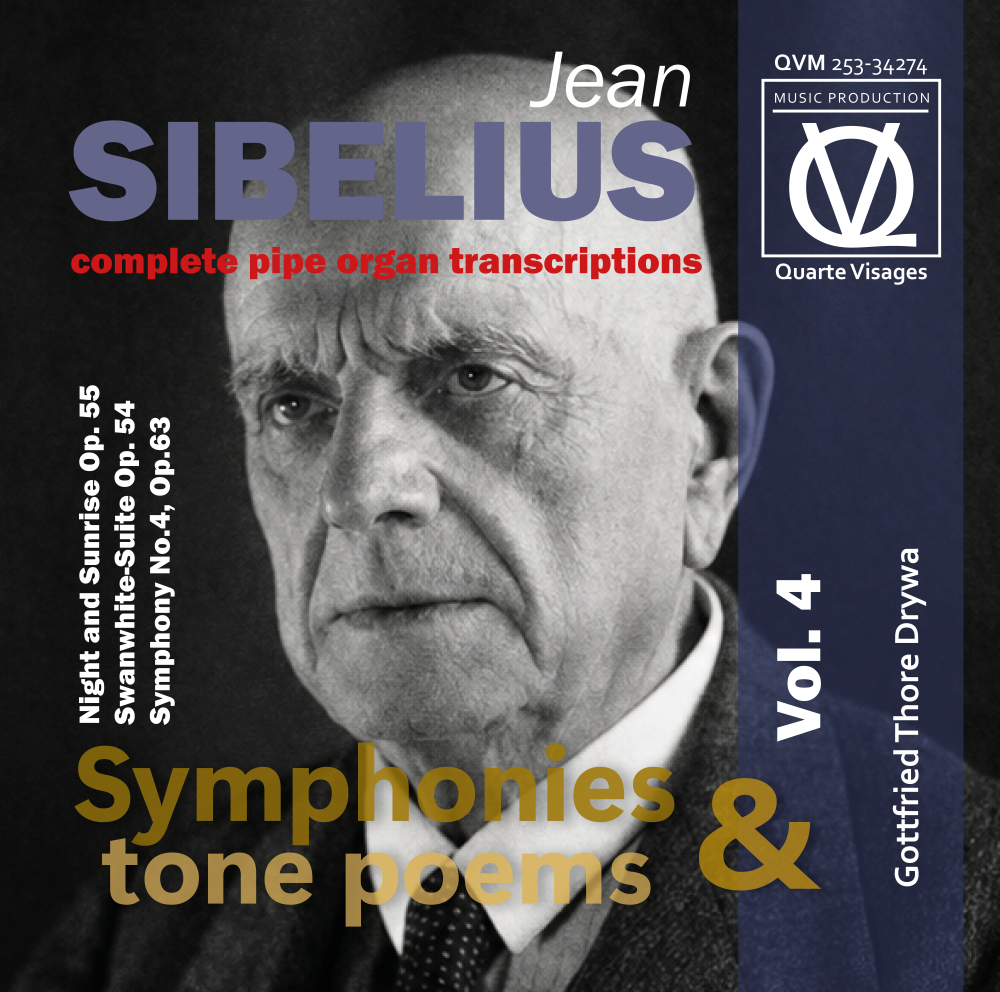
A composer whose work is no longer heard, or, worse, whose work is heard in only one particular way, disappears beneath the ideas of the generations that follow him, no longer able to alter the perspective from which his work is perceived. For anyone who loves Western classical music, one work is essential: Sibelius' symphonic poem about his native country,
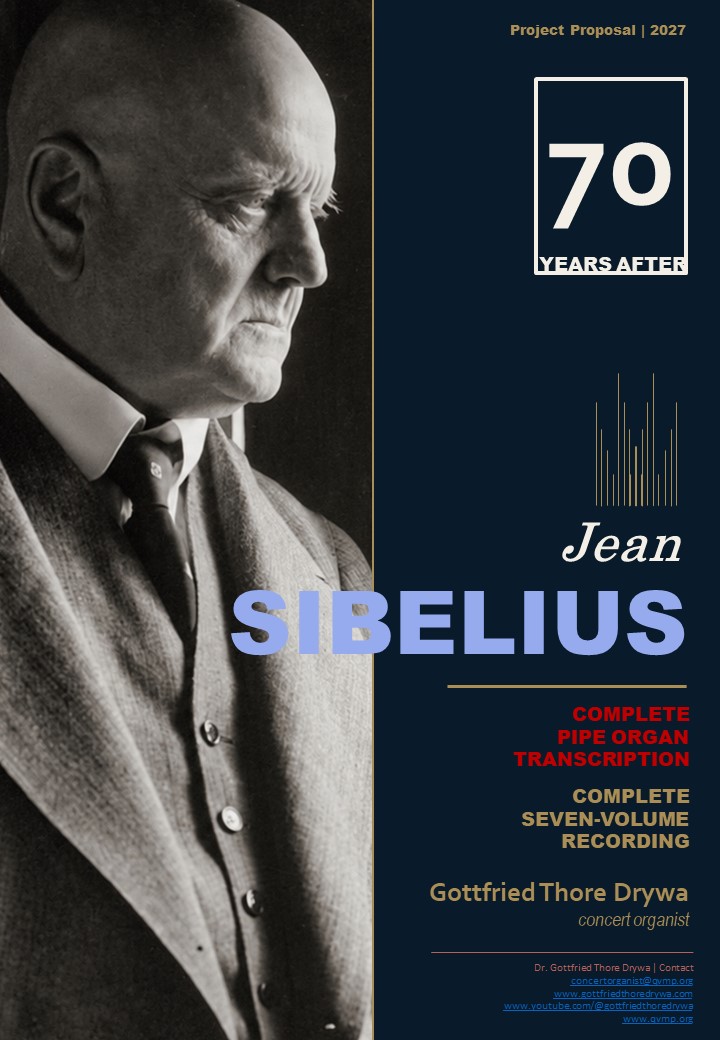
Finlandia. Not only as a composition, but also as an indispensable element for anyone seeking to understand Sibelius (1865–1957), an undertaking that every musician who wishes to perform his music must pursue. One might even say that this understanding depends on recognising how Finlandia and the great symphony of Sibelius' life story are connected with one another.
In a small, seemingly negligible corner of this symphony of a life lies a colourful detail: Jean Sibelius was an organist. His friend, the Finnish painter Akseli Gallen-Kallela, had an organ in his studio on which Sibelius often improvised. The two artists were undoubtedly united by the same idea: the symphony of their nation's freedom and of the culture of the people who lived within that nation.
It is the responsibility of the performing musician to do justice to the identity of a composition, particularly when, as I shall do, performing transcriptions of orchestral works on the organ. That is precisely why this little-known aspect of Sibelius matters: he wrote several works for organ, making it somewhat easier to understand how he wanted the instrument to sound. Consider, for example, his Trauermusik (Op. 113) or
Die Musiken (Op. 113).
Of particular interest in this context is the fact that Sibelius explicitly approved the organ transcription of Finlandia (Op. 26), made by Herbert Austin Fricker (1868–1943). At the time, Fricker was a well-known composer, organist and conductor in England and America. Taken together, it is therefore by no means an untenable idea to create organ transcriptions of Sibelius' symphonies and symphonic poems.
My transcriptions proceed from the premise that the organ is an independent instrument, capable of far more than merely imitating an orchestra. For me, transcribing a symphonic work for organ therefore means that its character, atmosphere and emotional experience can acquire an entirely new and highly personal dimension.
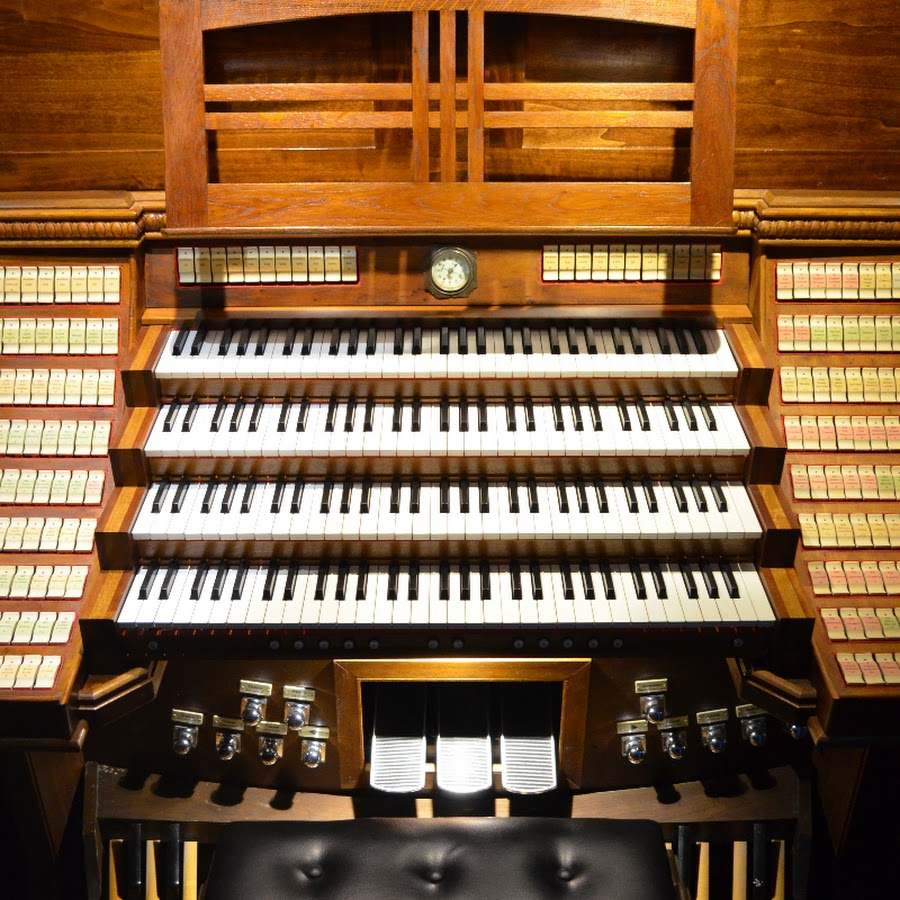
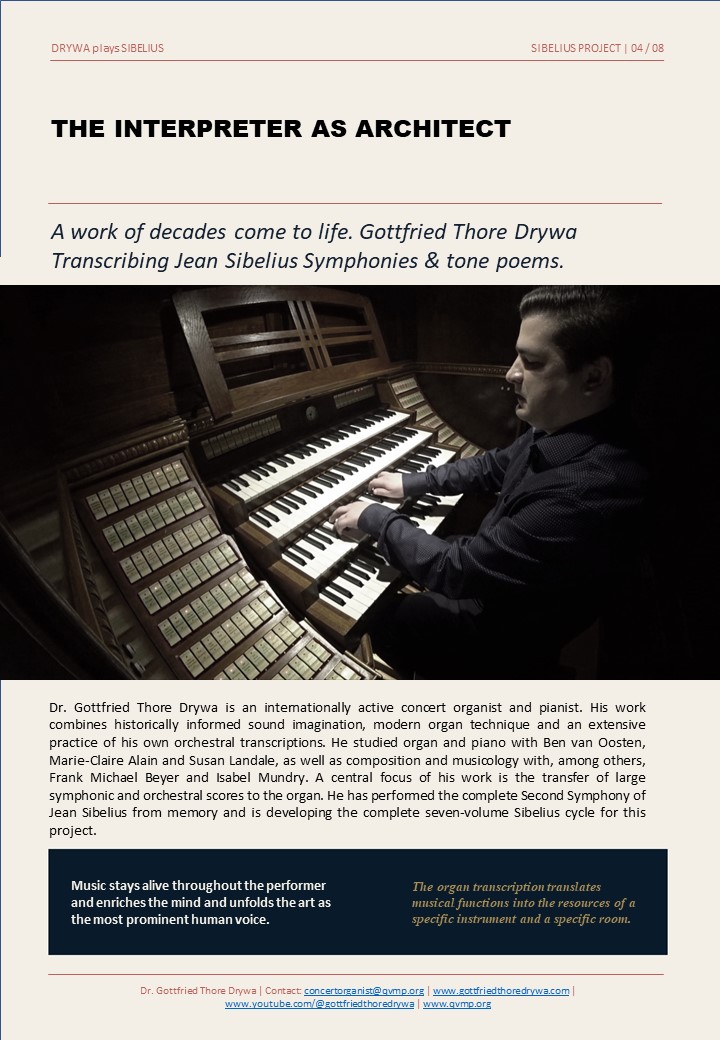
In Sibelius there are both similarities and differences between his conception of the organ and that of the orchestra. Naturally, it is above all the differences that concern the transcribing organist. Consider, for example, the particular way in which a crescendo is built on the organ, or the way organ stops are organised across different pitch levels. The various facets of a solo colour are also much more readily available in an orchestra than on an organ, even one with four manuals and countless stops, simply because the allocation of colours to individual manuals limits the organist's possibilities.
Moreover, registration on the organ cannot simply be equated with orchestration. This is not only because every organ is an individual instrument with its own sound, but also because a soft horn colour and a forte horn colour in the orchestra cannot simply be imitated by different versions of the same organ stop. Some organs also simply lack stops that are genuinely necessary in Sibelius: his fff accents can only be realised on the organ with truly powerful trumpet stops.
Doing justice to both the sound and the composer's intention therefore sometimes requires creative solutions. It is precisely these solutions that can make an organ transcription an independent version of the original work. Fortunately, experience gained through a living performance practice, based on the conviction that the organ's available tonal resources are not so much limitations as possibilities, almost always leads to convincing 'illusions of sound'.
Transcribing is also an exceptionally intimate way of reading a score: many refinements in, for example, motivic development or the control of timbre, which are not literally written into the score yet nevertheless determine an important aspect of the music, only become fully apparent in the act of transcription. In the first movement of Symphony No. 2 (Op. 43), for instance, the brass lend a particular quality to a sonority that in itself does not fundamentally change, simply by sounding briefly and then disappearing again.
Alongside all these differences and the ways of addressing them, one important similarity between organ and orchestra is that both are capable of making audible more than the sum of the parts contained in the score: they can reveal the music the composer imagined.
Sibelius conceived of his music as a fragment, a small piece of mosaic shaped by divine inspiration. To me, it carries a deep, cool sadness, a sense of magic and of monumentality. To give such mosaic fragments a new face and a new form of expression is the aim of my transcriptions and of my concert.
It is an attempt to reunite the organ and orchestral dimensions of Sibelius' work, which for many reasons have long remained separated. It is a genuinely symphonic idea, and one that strengthens my conviction that this is an appropriate way of engaging with the work of Sibelius the symphonist.
Gottfried Thore Drywa · TIMBRES music journal (6/2009) · Orgelpark Amsterdam